Commercial Waste Removal in Muswell Hill
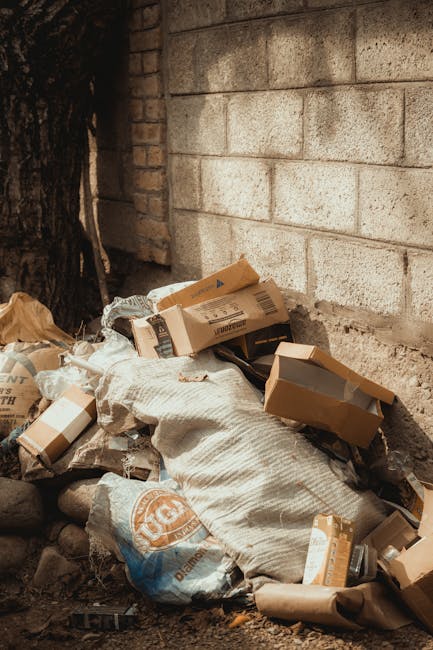
Commercial waste removal in Muswell Hill needs to be practical, orderly and suited to the day-to-day realities of running a business. We handle routine and one-off clearance work for premises that produce mixed office, retail and trade waste, helping customers keep spaces safe, workable and easier to manage. That can include bulky items, bagged refuse, packaging, fixtures, outdated stock and other non-hazardous materials that need collecting and moving away in a controlled way.
The service is built around straightforward collection and responsible disposal, with the aim of making waste removal a simple part of your schedule rather than an interruption. Our focus is on commercial premises that need a dependable way to clear unwanted material without overcomplicating the process. Whether you are dealing with a build-up after a refit, clearing storage areas or arranging ongoing collections, we can support the work with a suitable, well-planned approach.
If you need business waste taken away in Muswell Hill, start by asking for a quotation and telling us what needs removing.
Business waste collections for day-to-day premises
Our commercial waste removal service covers the kinds of tasks that arise in offices, shops, studios, workshops and other working premises. It is often about restoring order: clearing items that no longer have a use, separating what can be moved in one visit, and making sure the space is left ready for normal activity. The work can involve loose waste, cardboard, broken fittings, shelving, packaging and mixed non-hazardous rubbish.
When the job is organised well, the difference is not just in the empty space left behind. It also helps staff move more freely, keeps back-of-house areas more usable and reduces the temptation to let waste accumulate in corners or storage rooms. If you are planning a clear-out, it helps to think about what is staying, what is going, and whether anything needs to be separated beforehand. Clear instructions and a sensible layout make the collection smoother and more efficient.
For larger or repeated jobs, we can adapt the collection to suit the type of business waste involved. Some customers want a single tidy-up after an office move or refit, while others need regular help with accumulated waste from ongoing operations. If you want to compare options, take a look at our pricing and quotes page for a more direct route into making a request. Another useful step is to gather a brief list of items so the collection can be matched to the right scale of work.
What we remove from commercial premises
Commercial waste is rarely limited to one type of item. In many premises it builds up in layers: packaging from deliveries, old stock, worn display pieces, surplus office equipment, or broken items that have been pushed into a spare room for later. Our service is intended to clear that mix in a practical way, provided the material is suitable for removal and does not fall into a specialist hazardous category that needs separate handling.
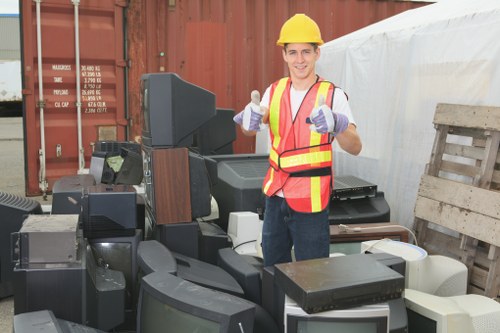
Typical collections may include furniture that is no longer needed, shelving, desks, chairs, filing units, cardboard, general rubbish and some appliance items where removal is appropriate. We can also help with post-refit waste and items left over after a business changeover. If you want a broader view of the types of waste handled, the business waste removal page is a sensible place to look at the core service in more detail.
There are limits to every collection, and it is better to understand them early. Certain waste streams need special care, and some items must be handled separately because of their condition or composition. If your premises contain mixed waste, it is helpful to note which pieces are standard commercial rubbish and which might need another route. That makes it easier to plan a lawful, tidy and practical collection from the outset.
Office waste and clear-outs
Office collections often need a careful, methodical approach because the waste is mixed with equipment, paperwork storage, fixtures and working furniture. Our office waste removal work is suited to desks, chairs, cabinets, monitors, peripherals, archive material, packaging and redundant office items that are no longer serving a purpose. The aim is to remove the clutter without disrupting the wider layout more than necessary.
In many offices, waste gathers in places that are easy to overlook: unused meeting rooms, under-desk storage, spare cupboards, print areas and corners behind partitions. A proper clear-out can help you reclaim those areas for better use, but the most effective result comes from identifying the items that can go in one pass and the items that should stay in place. If the office is being reorganised, a clear list of contents can make the process quicker and more accurate.
If you need a dedicated office collection, our office clearance page sets out a more focused route through the same kind of work. You can also use plain text when you are ready to move things forward: ask for a quotation, describe the type of furniture or equipment involved, and say whether access is straightforward or spread across several rooms.
Furniture, fittings and bulky items
Commercial sites often end up with bulky items that are awkward to shift through normal waste streams. This can include reception seating, cabinets, shelving, tables, shop fittings, storage units and other large pieces that are no longer needed. Our furniture clearance and disposal options are designed for those situations, giving customers a practical way to remove items that are too large for ordinary bin collections.
Where furniture is mixed with other refuse, the collection is often most efficient when the load is described in simple terms rather than overcomplicated categories. For example, it may be useful to separate fixed fittings from loose waste, or to note whether items are stacked, dismantled or still in use elsewhere in the building. That lets us understand the shape of the work before any collection is arranged. If the job is specifically about unwanted furniture, the furniture clearance page may be the most relevant next step.
For businesses replacing older items, this kind of removal can sit alongside refurbishment, relocation or routine storage clearance. A sensible approach is to think about access first, then the type of item, then whether the load includes a mix of reusable, recyclable and general waste. That sequence helps keep the collection practical and avoids last-minute confusion about what is actually being removed.
Clearances for stores, stockrooms and back rooms
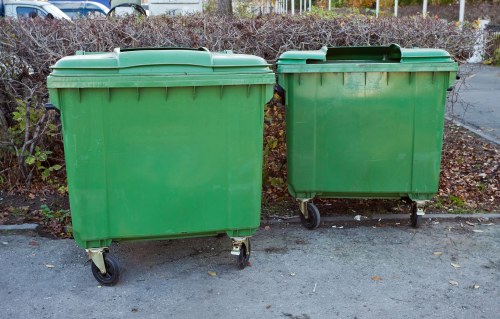
Retail and service businesses often need help clearing back-of-house areas that have filled up with packaging, damaged stock, old displays and broken fittings. The work may be less visible to customers than the shop floor, but it matters just as much because it affects storage, stock movement and day-to-day tidiness. Our commercial waste removal service in Muswell Hill can be used to clear these secondary spaces and help restore practical working room.
Back rooms usually contain a mixture of items rather than one simple load, so the collection works best when the main categories are identified in advance. That may include empty cartons, obsolete signage, stand-alone furniture, damaged shelving or other items that are no longer needed. If you also need removal of shop furniture or fixtures, our furniture disposal page provides another route that may suit the task more closely.
One useful preparation step is to group similar items together so the collection can proceed without unnecessary sorting on the day. If there are any items you want kept in place, make that clear from the start. A concise list and a note about access are often enough to turn a cluttered storage area into a clear, manageable collection job.
Waste from refurbishments and light building work
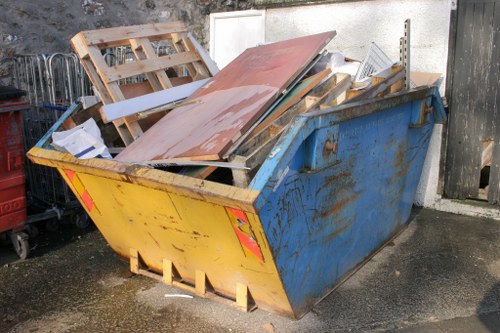
Commercial properties sometimes produce waste that sits between everyday rubbish and heavier trade debris. A small refit, layout change or maintenance project can leave behind broken fixtures, timber offcuts, packaging, damaged panels and other mixed material that needs removing after the work is complete. In those cases, a commercial waste collection can bridge the gap between the job finishing and the space becoming usable again.
Where the waste is clearly linked to building or alteration work, our building-oriented clearance pages may be more suitable. The builders waste clearance page is useful when you are dealing with renovation debris rather than standard office or retail rubbish. We can still describe the load carefully and work with the nature of the items, so the collection is matched to the right kind of waste.
It also helps to consider how the material is presented. Some jobs involve loose items across several rooms; others involve waste gathered in one area after contractors have left. Either way, accurate details make the collection easier to organise. If the space is part of a live business, timings and access arrangements should be planned with care so the removal fits around normal use.
Responsible disposal and recycling
Commercial waste should not simply disappear from the premises and remain an afterthought. Responsible disposal matters because different materials need to be sorted, handled and passed on through appropriate routes. Where possible, items are directed into recycling or reuse streams rather than treated as one undifferentiated load. That approach supports a tidier premises and a more considered waste process.
If sustainability is part of your decision-making, it is sensible to ask how the waste type will be handled before the job is booked. Some loads are mostly cardboard and packaging; others are made up of mixed furniture, fittings and general rubbish. The more accurately the waste is described, the easier it is to plan a suitable route. You can also visit our recycling and sustainability page to see how that subject is framed on the site.
There are also certain categories that need special attention, and these should never be treated as ordinary office rubbish. If the waste includes items that might be classed as hazardous or regulated, it is important to separate them and ask for the right handling method. That keeps the collection sensible and avoids mixing materials that should not be processed together.
About Muswell Hill
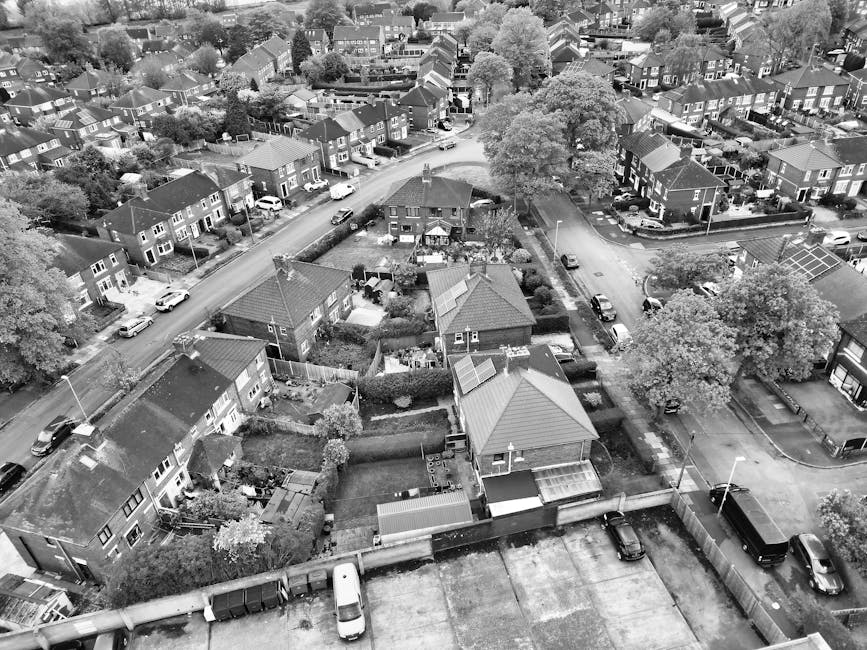
Muswell Hill is a north London district best known for its elevated position on the southern edge of the London Borough of Haringey. Its name is commonly linked to the medieval spring called the Muswell, which gave rise to local place identity long before the area became a densely settled suburb. Over time, the district developed from rural land into a largely residential neighbourhood with a strong shopping centre along the main ridge. One of its most distinctive features is the broad view across London, which has long shaped the character of the area and its appeal as a place to live and visit. Muswell Hill has a conservation area centred on the parade of late-Victorian and Edwardian buildings, where brick, stone dressings and decorative façades create a consistent townscape. The local streets reflect this period of growth, when tram and bus routes helped tie the hill more closely to neighbouring districts. Close by, Alexandra Palace and its parkland form an important landmark on the ridge, offering open space, historic architecture and a prominent presence in the wider landscape. The area also links to nearby green spaces such as Queen’s Wood and Highgate Wood, which help break up the built environment with mature woodland. Together, these features give Muswell Hill a recognisable identity that combines hillside geography, architectural interest and access to substantial open space.
Household-scale services for mixed premises
Although this page focuses on commercial waste, some business premises contain a domestic-style mixture of items in back offices, staff rooms, flat-over-shop spaces or converted properties. When that happens, the useful approach is to identify the dominant type of waste and choose the service that most closely matches it. In some cases, a commercial collection is still the right fit; in others, a more property-focused clearance may be the better option.
If the load includes furniture, loose contents or stored items rather than pure office rubbish, our home clearance and related pages can help you compare the scope of each service. That is especially useful for mixed-use buildings where business and domestic items are stored together. It is better to match the collection to the contents than to force everything into one broad label.
When you are deciding what to book, consider three basic points: what the items are, where they are located and how they will be accessed. That keeps the choice grounded in the actual load rather than in assumptions. If you are unsure, a short written description of the waste is usually enough to start the conversation.
How to prepare a quotation request
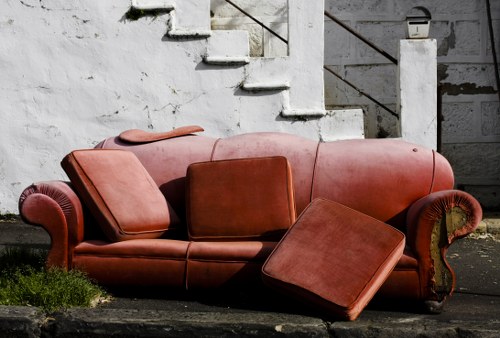
A clear quotation request saves time and helps us understand the work properly. It is useful to mention the type of premises, the main categories of waste, whether the items are light or bulky, and whether the collection involves one room or several. If there are access details that matter, such as stairs, loading restrictions or narrow corridors, include those too. The more accurately the load is described, the easier it is to plan a suitable collection.
Another practical step is to separate any items that must stay from items that are definitely going. That simple distinction reduces confusion and makes the removal more straightforward. If the waste is spread around the building, a rough list of locations can help too. Once you are ready, you can contact us to request a quotation for commercial waste removal in Muswell Hill, or use plain text to say what needs clearing and when you would like the work arranged.
If your business has recurring waste rather than a single clear-out, say so in your request. That allows the collection to be discussed in a way that suits the pattern of waste generation, whether the need is occasional, periodic or tied to specific projects. Clear, direct details are usually the best starting point for a useful quotation.